Veg Power and the Food Foundation launched Eat Well for Less in the week of 18 September 2026, a campaign of free, practical advice for households under pressure from food prices, The Grocer reported. The material puts fresh produce, beans and pulses at the centre, describing them as affordable, nutritious and filling staples, and it is being distributed through schools, nurseries, local authorities, food pantries, food banks, community kitchens and online.
The reason for the timing is in the Food Foundation's own research, cited by The Grocer. It found that 65% of food-insecure households were buying less fruit and 55% were buying fewer vegetables. A campaign that tells people to eat more vegetables is not new. One that starts from the cost of a tin of beans and a bag of frozen peas, and is handed out where people already collect food, is a different thing.
What the campaign actually contains
Eat Well for Less is a set of resources rather than a programme. There is a shareable digital flyer of budget-friendly help and a poster designed for communal areas. Alongside them sit videos and written advice on meal planning, batch cooking strategies from The Batch Lady, tips on using frozen vegetables from Hugh Fearnley-Whittingstall, waste reduction advice from Tom Hunt, and a set of food swaps intended to stretch a weekly budget.
Leon Ballin, place-based food systems manager at the Food Foundation, said the resources were designed with all families in mind and are meant to help them shop, cook and eat while keeping an eye on the budget. The partners that helped develop the material include Felix, Hubbub through the Community Fridge Network, Feeding Britain, the Bread and Butter Thing and FoodCycle, which is why the distribution list reads like a map of the UK's community food network rather than a marketing plan.
Why beans and pulses are the centre of it
The campaign sits inside a larger effort called Bang in Some Beans, funded by The National Lottery Community Fund, which aims to double the UK's consumption of beans and pulses over the next three years. Dan Parker, chief executive of Veg Power, said the not-for-profit's aim in offering the guidance was to make the 5-a-day target achievable for everyone and to encourage more vegetables, fruit and beans in British diets now and in future.
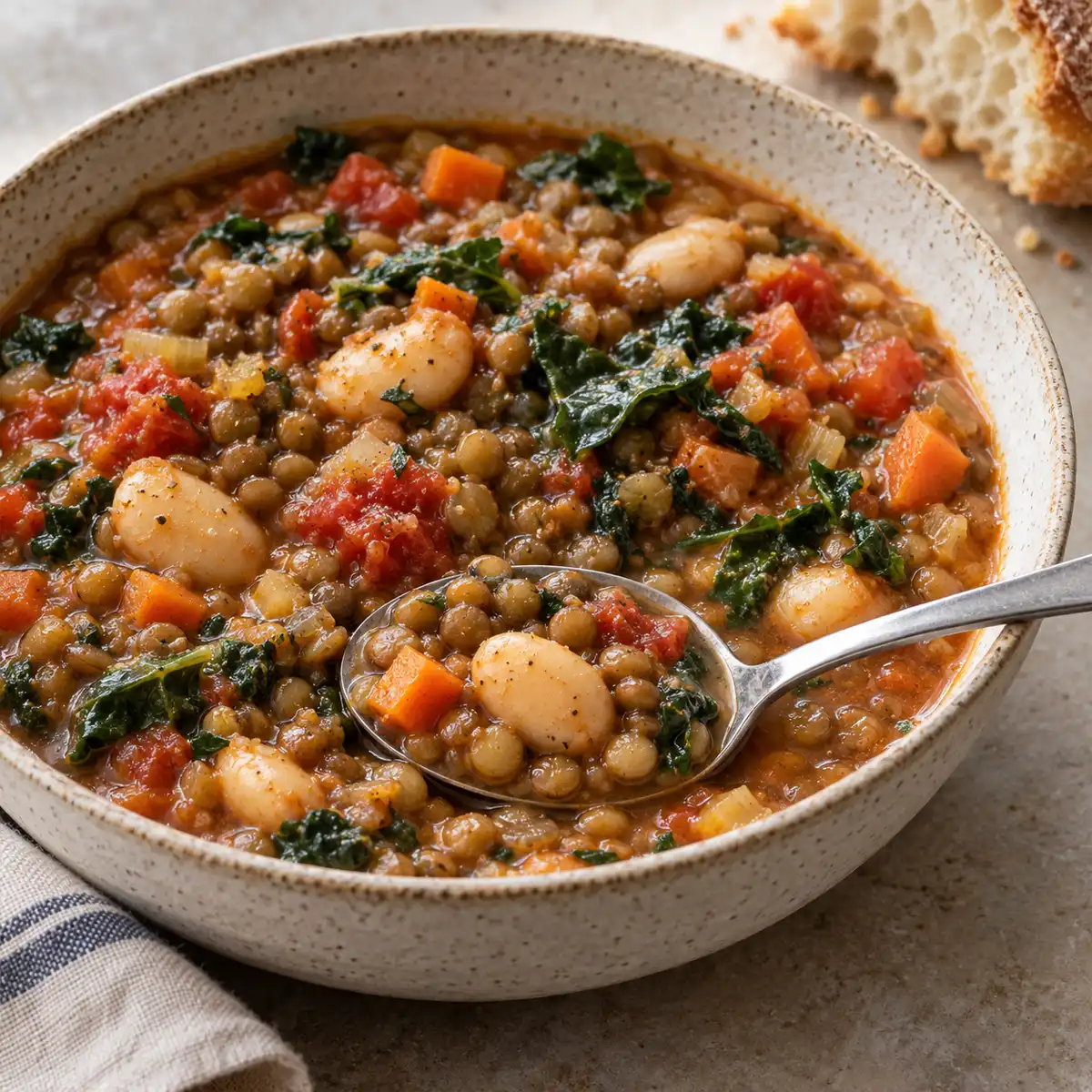
The practical logic is simple. Dried and tinned pulses are among the cheapest sources of protein and fibre on a supermarket shelf, they keep for months, and they carry other ingredients further in a stew, a curry or a soup. Frozen vegetables are picked and frozen quickly, cost less than fresh out of season and reduce waste because only what is needed leaves the bag. The campaign's advice is built on those two facts rather than on any special ingredient.
Where to find the materials
The resources are free and are meant to be passed on. Schools, nurseries and local authorities are receiving them for display and distribution, and community food projects are handing them out with the food itself. The digital flyer and the videos are also published online, so a reader who is not connected to a local project can still use the meal planning and batch cooking guidance directly. A community kitchen or a food pantry that wants the poster can ask Veg Power or the Food Foundation for it.
What to do with it
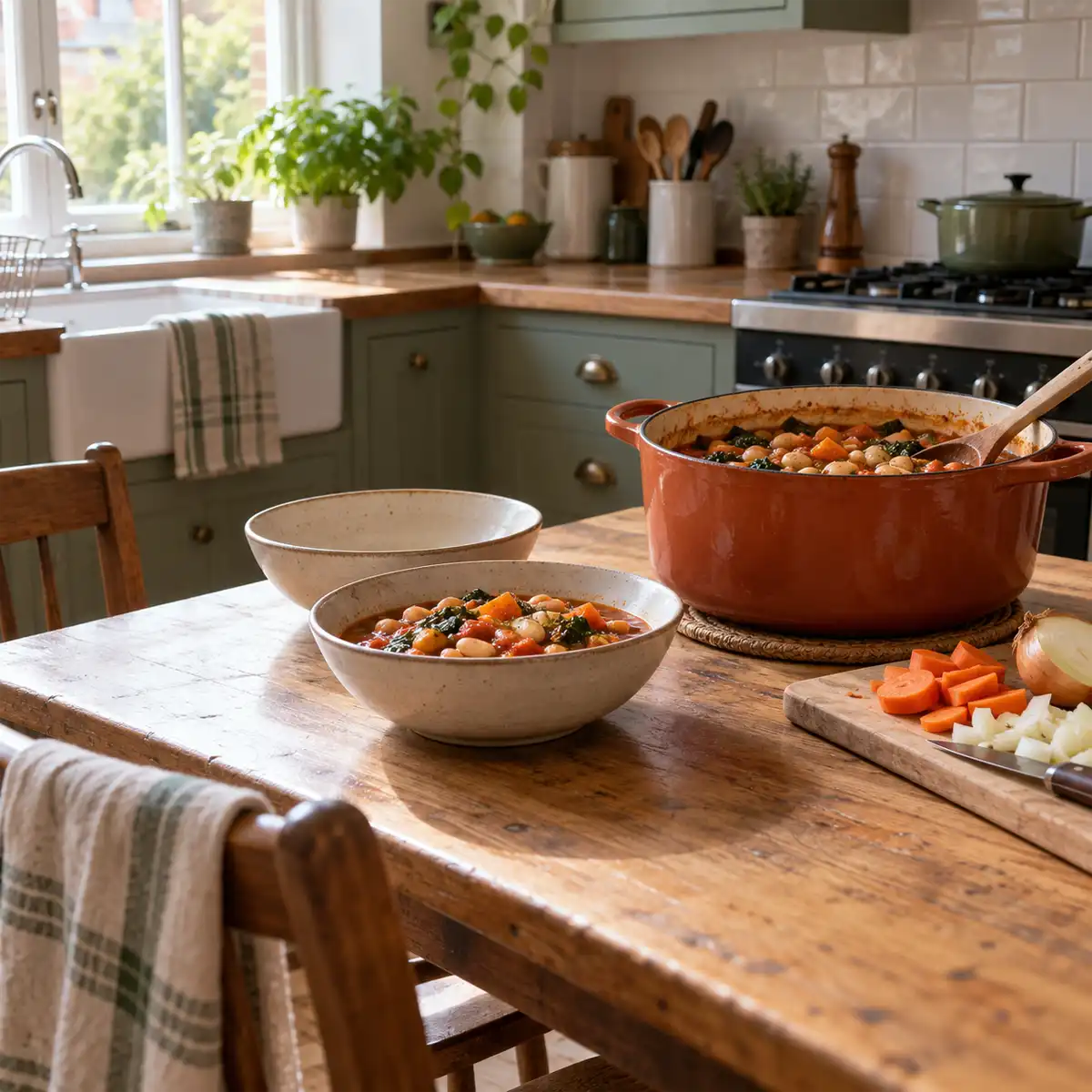
Start with the two habits the campaign leans on hardest. Plan a week of meals around pulses and frozen vegetables before shopping, and cook in batches so one session covers several meals. Neither requires new equipment or unusual ingredients. Anyone managing a diagnosed condition, including diabetes or a digestive condition, should ask a GP, pharmacist or registered dietitian before changing their diet substantially, because general advice on cheap, filling food is not the same as advice for a specific medical need.