Electrolytes have gone from a word you half-remember from a science lesson to the star of every gym bag, supermarket aisle and social feed. Yet most of us still could not say what they actually do, how much we need, or whether the sachets are worth the money. Here is the honest, evidence-based answer, and it is calmer than the marketing. For most healthy adults eating a normal, varied UK diet, your electrolyte balance already looks after itself, and a dedicated powder will not hand you extra energy or focus. These minerals genuinely matter, because your muscles, nerves, heart and hydration all depend on them, but they are not something you need to chase on an ordinary day. Where they earn their place is around heavy, sweaty exercise and recovery from illness. Knowing that difference, and the signs you actually need more electrolytes, is what saves you money and keeps you safe. This guide covers what they are, how much you need, the everyday foods that supply them, and when a drink is worth reaching for.

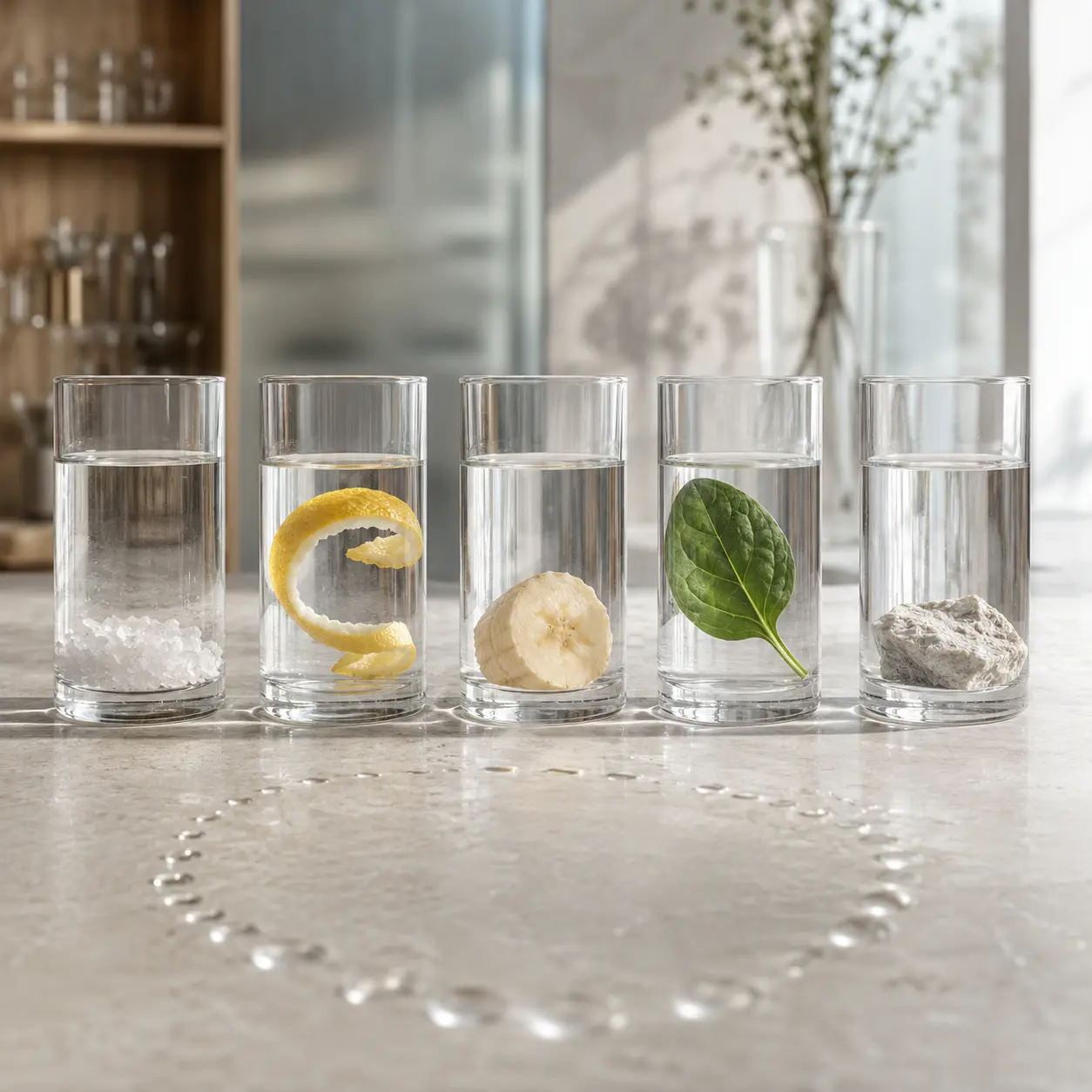
What Electrolytes Actually Are And What They Do
Electrolytes are minerals that carry a small electrical charge when they dissolve in your body's fluids. The main ones are sodium, potassium, magnesium, chloride and calcium, and together they let your nerves fire, your muscles contract, your heartbeat stay steady and your fluid levels stay balanced.
Each has a job. Sodium and chloride work as a pair to control how much water your body holds. Potassium partners with sodium to keep your heart rhythm and your muscles working. Magnesium, involved in hundreds of reactions, helps muscles relax and supports energy production and sleep. Calcium, best known for bones, is also needed for every single muscle contraction. When these sit in balance you barely notice them. When they drift too high or too low, you feel it, usually as cramps, fatigue, headaches or a foggy head.
How Much You Need From A Normal UK Diet
For most healthy adults a balanced diet already supplies enough. As a rough UK guide, aim for no more than 6g of salt a day, which is about 2.4g of sodium, alongside roughly 3,500mg of potassium and around 300mg of magnesium for men or 270mg for women.
According to NHS guidance, adults should eat no more than 6g of salt a day, and most of us already eat more than that, mostly from bread, processed food and eating out. That is the key point that the adverts skip: of all the electrolytes, sodium is the one we tend to get too much of, not too little. Potassium and magnesium come from the everyday healthy foods we champion across the site, and your kidneys are very good at holding on to what you need and clearing the rest. For the average person on an average day, a salt tablet solves a problem you do not have.
The Best Everyday Foods For Each Electrolyte
You can cover your electrolytes from ordinary food without a single supplement. For potassium, reach first for bananas, potatoes eaten with their skin, spinach, beans, lentils and avocado. For magnesium, lean on pumpkin seeds, almonds, cashews, wholemeal bread, brown rice and dark leafy greens.
Sodium and chloride arrive readily from normal salted food, which is why they rarely run short. Calcium comes from dairy, fortified plant milks, tinned fish eaten with the bones, tofu set with calcium, and greens such as kale and rocket. Build a colourful plate of vegetables, add some wholegrains, scatter a handful of nuts or seeds, and use a normal amount of salt, and the balance holds for the vast majority of people. If plain water feels dull, our infused water recipes are an easy way to drink more across the day.
When You Genuinely Need An Electrolyte Drink
You genuinely benefit from an electrolyte drink in two clear situations. The first is heavy, prolonged sweating from long or intense exercise, especially in heat, where you lose both fluid and salt over an hour or more. The second is illness with vomiting or diarrhoea, where you lose salts quickly.
A very low-carbohydrate diet can also trigger an early dip, the so-called keto flu, as your body sheds water and sodium in the first week. Hot weather counts too, and our heatwave hydrating recipes cover the food side of staying topped up. One important caution: for a young child with a stomach bug, a homemade mix is not the right tool. Use a proper oral rehydration solution from a pharmacy, which is measured to the correct concentration, and if you are unsure whether you need anything at all, read the signs you need more electrolytes first.
How To Choose Or Make One Without The Hype
A useful electrolyte drink contains a meaningful amount of sodium, which is the main thing you lose in sweat, some potassium, and only a little sugar, since a small amount of sugar actually helps your body absorb the fluid faster. Skip powders that are mostly flavouring and sweetener with token minerals.
Demand has exploded. The global electrolyte drinks market was worth around 38 billion US dollars in 2024 and continues to grow at roughly 5% to 6% a year, and in 2024 the powdered brand Liquid I.V. launched across the UK as part of a wider move toward sugar-free, clean-label hydration. That popularity is not proof that everyone needs one. Treat sugary sports drinks as an occasional choice rather than daily hydration, and remember you can make a better version at home for pennies with our no added sugar electrolyte drink recipe.
Fun fact: The global electrolyte drinks market was worth around 38 billion US dollars in 2024, yet a pinch of salt, a squeeze of citrus and a glass of water covers most everyday needs for a few pennies.
Who Should Take Extra Care
Because electrolyte balance is tied directly to your heart and kidneys, more is not automatically better, and too much added salt can do harm. If you have a heart condition, kidney problems or high blood pressure, if you are pregnant, or if you are caring for a young child or older adult who is unwell, speak to a pharmacist or GP before adding salt tablets or electrolyte products.
This is also the moment to know the red flags. Confusion, severe weakness, fainting or a racing heartbeat, and vomiting or diarrhoea that will not settle, are reasons to contact a pharmacist, GP or NHS 111 rather than reach for a stronger supplement. On the detox point that brings many readers here, it is worth being clear that no drink or powder detoxifies your body. Your liver and kidneys do that work, and the most useful thing you can do is support them with good food, sensible hydration and, when you have genuinely lost a lot of fluid, the right amount of salts.
The takeaway is calmer than the marketing suggests. Electrolytes matter, but for most healthy people eating a varied UK diet the balance looks after itself. Save the sachets for the moments that earn them, long hot workouts and recovery from illness, and reach for food and plain water the rest of the time. If you want a hydration boost on a sweaty day, you can make a better electrolyte drink at home in minutes with our no added sugar recipe, and if you are still unsure whether you need one, our guide to the signs you need more electrolytes will settle it. Think of electrolytes like the tyres on a car. You want them at the right pressure, but pumping them up harder will not make you go any faster.
This article is general information and not medical advice. If you feel unwell or have an ongoing health condition, speak to a pharmacist or GP.