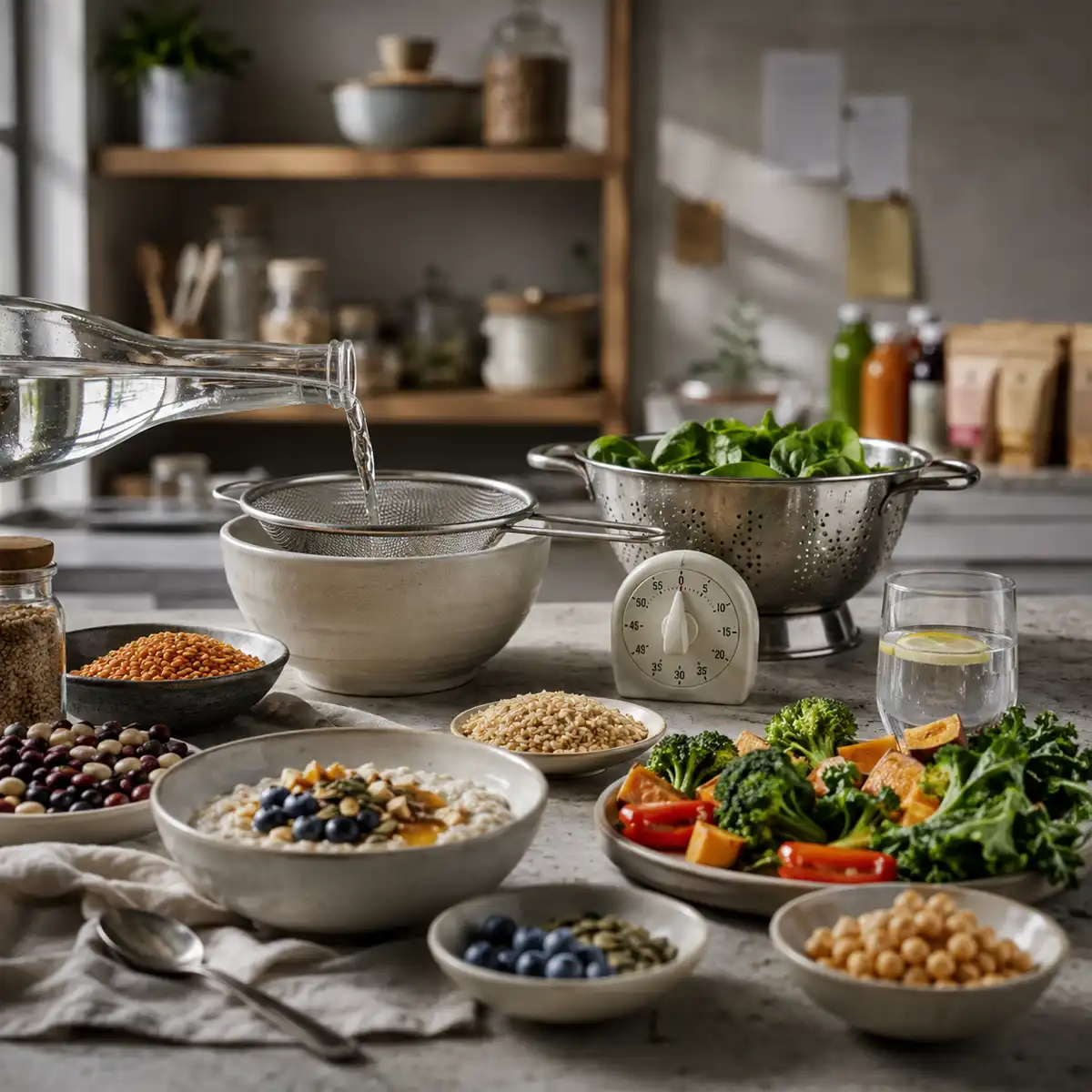
A detox diet sounds tempting when your body feels heavy, your sleep has been patchy, or your week has been built from train-station sandwiches and late-night snacks. The truth is more useful than the advert. Your body does not need a tea, powder or juice plan to detox. The liver, kidneys, gut, lungs and skin already remove waste continuously. What your body may need is steadier food, enough fluid, more fibre, less alcohol, better sleep and meals that do not leave you chasing sugar by mid-afternoon.
That distinction matters. It lets you keep the good part of detox culture, the desire to reset habits, while dropping the risky part, the belief that restriction proves commitment. The British Dietetic Association’s August 2025 detox factsheet calls detox diets a marketing myth rather than nutritional reality, and the NHS Eatwell Guide points people towards balanced meals across the week rather than perfect meals every hour. If juice cleanses are the version you are most curious about, our guide to whether juice cleanses work in the UK evidence is a useful companion. This guide explains what detox diets can and cannot do, how to spot weak claims, and how to build a safer food-first reset.
Do Detox Diets Actually Remove Toxins
Detox diets do not remove toxins in the way marketing claims suggest. In healthy people, the liver breaks down substances, the kidneys filter blood, the gut removes waste, and the lungs and skin play supporting roles. Food can support normal function, but it does not replace those systems.
The BDA states in its 2025 factsheet that the body has built-in mechanisms to remove waste products including alcohol, medication by-products, dead cells and products of digestion. Detox products often fail to define which toxins they mean, which makes the claim hard to test. If a product cannot name the problem clearly, be careful with its solution.
This does not mean diet is irrelevant. It means the goal should be nourishment. Fibre from oats, beans, lentils and vegetables supports bowel regularity. Protein helps repair and maintain tissues. Water supports normal hydration. None of that needs a cleanse label.
Why Do People Feel Better On A Detox Diet
People may feel better on a detox diet because they temporarily drink less alcohol, eat fewer ultra-processed snacks, sleep more, cook more fresh food and pay attention to meals. Those changes can help, but they are not proof that a detox product removed toxins.
A 2024 BMJ umbrella review linked higher ultra-processed food exposure with a range of adverse health outcomes across observational evidence. Observational research cannot prove every cause, but it supports a practical point: replacing a week of pastries, crisps and sugary drinks with vegetables, pulses and home-cooked meals is likely to feel different.
The problem starts when that better feeling is attached to fear. If a plan tells you bread is dirty, dairy blocks detoxification or one missed juice ruins your progress, it is selling anxiety. A better reset feels calmer. It gives you meals, not rules that shrink your life.
What Should A Safe Detox Diet Look Like
A safe detox diet should look like normal healthy eating with a sharper focus for a few days. It should include vegetables, fruit, whole grains, pulses, protein, unsaturated fats and enough fluid. It should not rely on fasting, laxatives, supplements or cutting out whole food groups without a medical reason.
The NHS Eatwell Guide says fruit and vegetables plus starchy carbohydrates should each make up just over a third of what we eat overall. It also recommends beans, pulses, fish, eggs, meat or other protein foods, with at least 2 portions of fish a week where suitable. The WHO’s 2026 healthy diet factsheet gives similar principles: adequacy, balance, moderation and diversity.
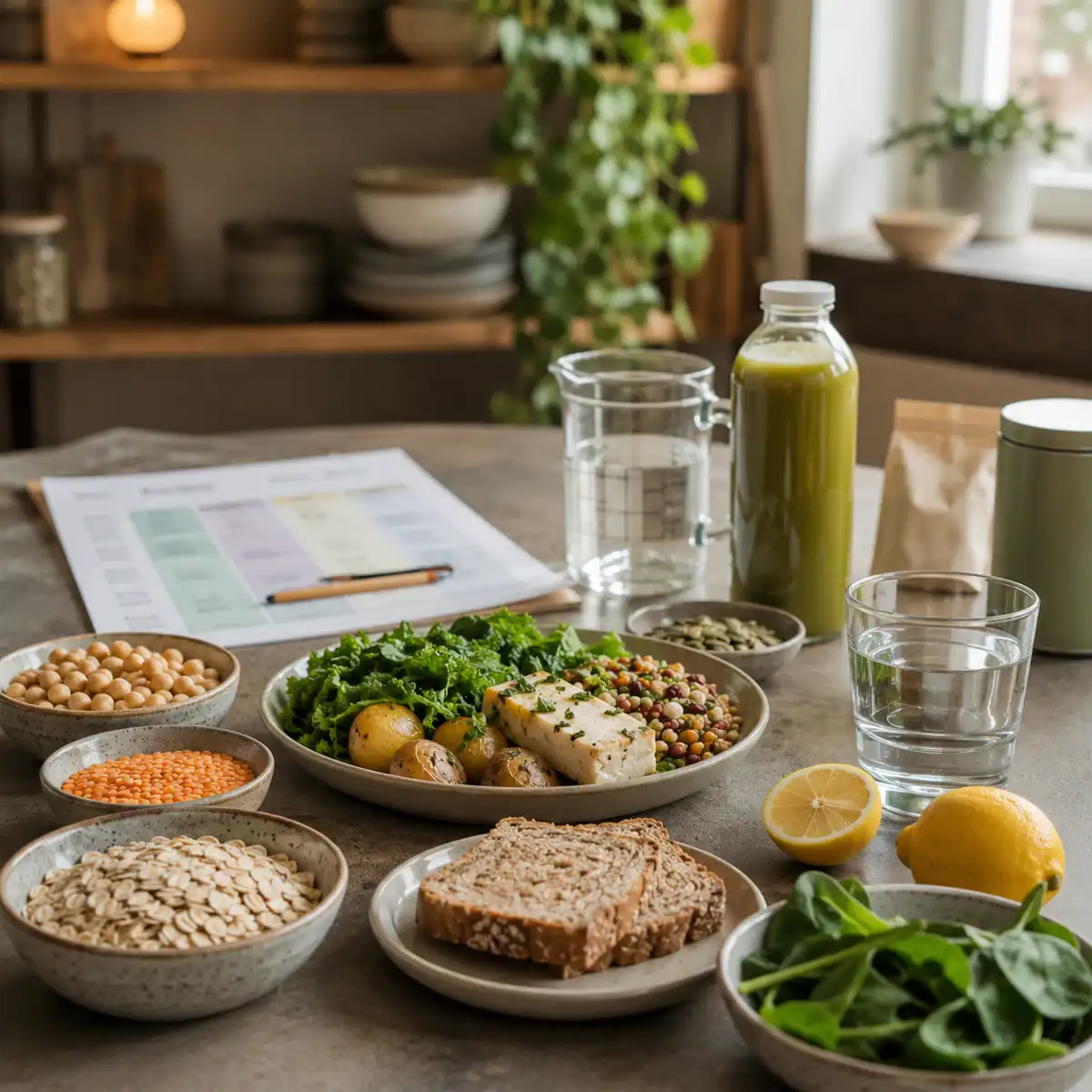
In plain kitchen terms, a safe reset might mean porridge with berries and seeds, lentil soup with wholegrain toast, salmon with potatoes and greens, or chickpea salad with olive oil and lemon. It is not dramatic. That is exactly why it works better.
Which Detox Diet Claims Should You Distrust
Distrust detox diet claims that promise rapid fat loss, immune boosting, cellulite removal, glowing skin in days or special liver cleansing. These claims often skip evidence, exaggerate normal digestion and turn ordinary foods into miracle workers.
The BDA’s 2025 factsheet lists common detox claims including rapid weight loss, improved digestion, better hair, nails and skin, more energy and a boosted immune system. It warns that rapid weight loss on extreme plans is largely water and glycogen rather than body fat. That explains why weight often returns when normal eating resumes.
Be especially wary of detox teas. Some act as laxatives, which can cause dehydration, cramps and dependence if misused. A product that makes you lose water is not the same as a plan that improves health.
Fun fact: Glycogen, the stored form of carbohydrate in muscles and liver, binds water, which is one reason crash diets can make scales drop quickly without meaning much fat has changed.
How To Reset After A Heavy Weekend
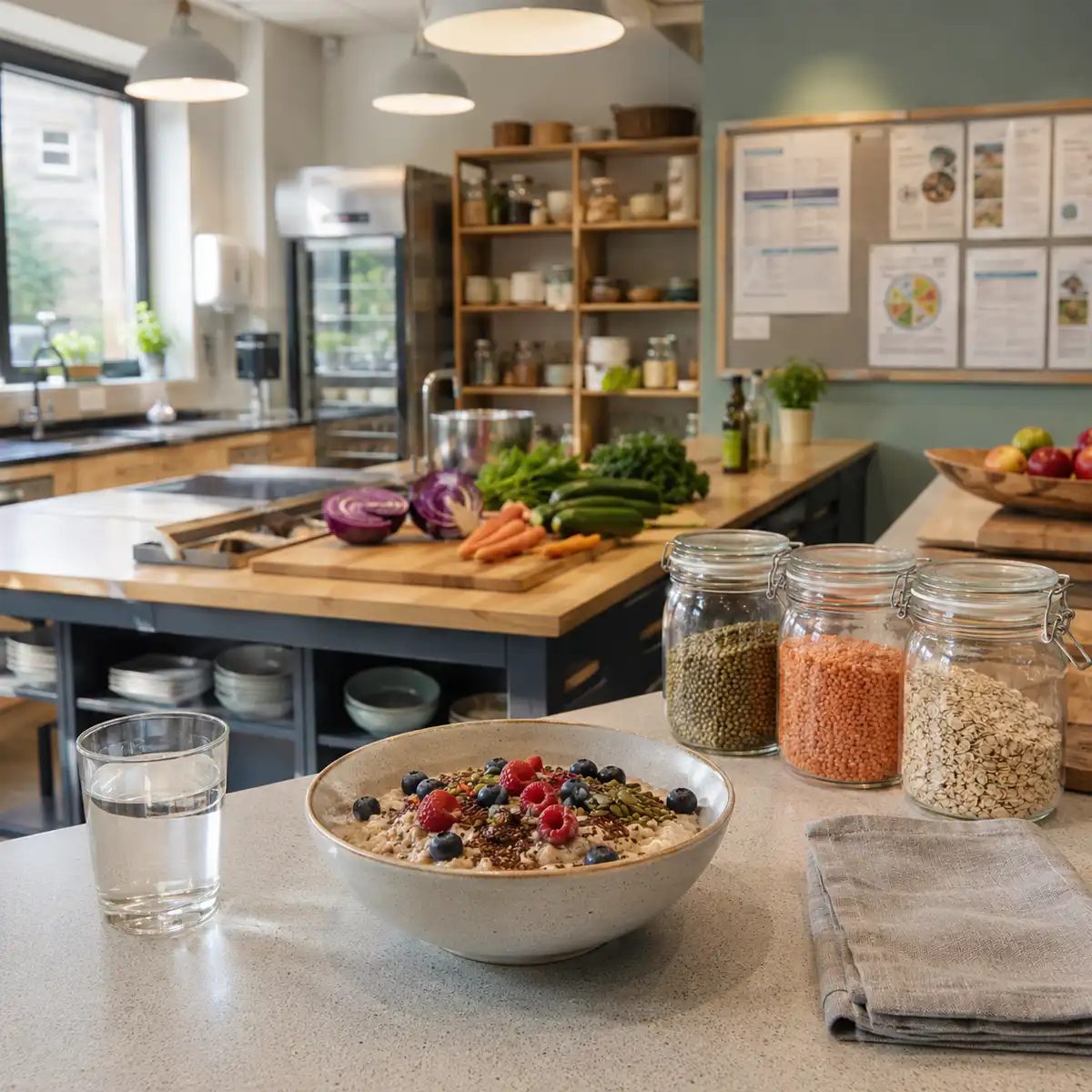
The safest reset after a heavy weekend is boring in the best possible way: hydrate, eat a proper breakfast, include vegetables at lunch, add a fibre-rich carbohydrate, and go for a walk. The aim is to restore rhythm, not punish yourself.
Start with water or tea, then eat something steady, such as eggs on wholegrain toast with tomatoes, porridge with berries, or yoghurt with oats and seeds. At lunch, choose lentil soup, a chickpea salad, a baked potato with tuna, or leftovers with greens. Dinner can be simple: vegetable chilli, tray-baked fish, tofu stir-fry or chicken with brown rice.
The NHS suggests most adults aim for 6 to 8 cups or glasses of fluid a day, and the Eatwell Guide advises limiting fruit juice and smoothies to 150ml because of free sugars. That advice is useful after a weekend of salty food and alcohol. You need steady fluid, not litres of extreme water intake. If you have been sweating heavily, travelling in heat or recovering from a stomach bug, a homemade electrolyte drink with no sugar may be more relevant than another green juice.
Who Should Avoid Detox Diets
People who are pregnant, breastfeeding, under 18, recovering from an eating disorder, living with diabetes, taking regular medication, managing kidney disease or dealing with significant gut symptoms should avoid unsupervised detox diets. A GP or registered dietitian can help adapt food choices safely.
Fasting and severe restriction can affect blood glucose, energy, medication timing and nutrient intake. The BDA warns that cutting out wheat or dairy unnecessarily can remove useful nutrients if they are not replaced properly. That matters for calcium, iodine, B vitamins, fibre and overall diet quality.
If you are worried about bloating, fatigue, skin changes or weight, treat those symptoms as information, not as proof you need a cleanse. Persistent symptoms deserve proper assessment.
What To Do Instead Of A Detox Diet
Instead of a detox diet, choose a 7-day food reset built around whole foods. First, add vegetables to 2 meals a day. Second, include a pulse, wholegrain or skin-on potato daily. Third, keep protein in each meal. Finally, reduce alcohol, sugary drinks and snack foods without pretending they are poison.
This is where The Good Food can build real authority: detox without delusion, recipes without scolding, and health advice that respects the reader’s intelligence. A good reset should leave you with 2 or 3 meals you want to cook again next week. For quick options, our 10-minute detox recipes that actually satisfy are a good place to start. That is a stronger sign of success than a dramatic Monday-to-Friday transformation. For a deeper look at the food claims behind the trend, read what liver detox foods actually do before buying anything that promises to cleanse you.
The body is not a dirty kitchen that needs bleaching. It is more like a well-run market: busy, adaptive and better supported by regular supplies than by panic cleaning. Feed it well, let it do its work, and ignore anyone selling shortcuts with a shopping basket attached.