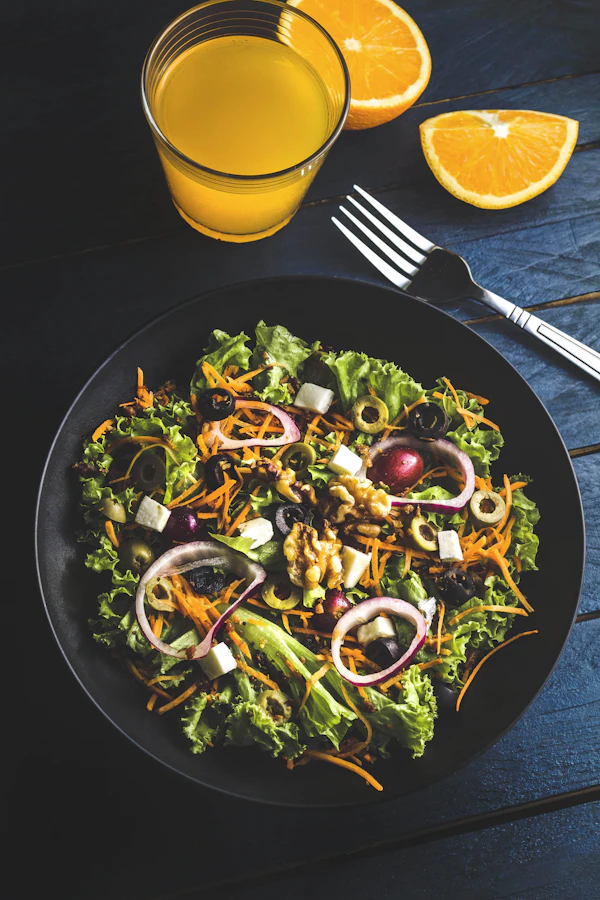
- Chickpeas, lentils, beans, and other legumes
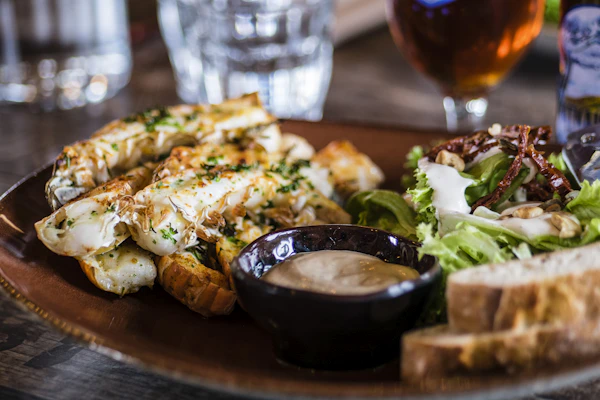
- Shellfish, salmon, tuna, and red meat
- Seeds and nuts
- Cheese, milk, and other dairy products
- Beef, liver, and chicken
- Clam and sardines
- Fortified cereals and non-dairy milk
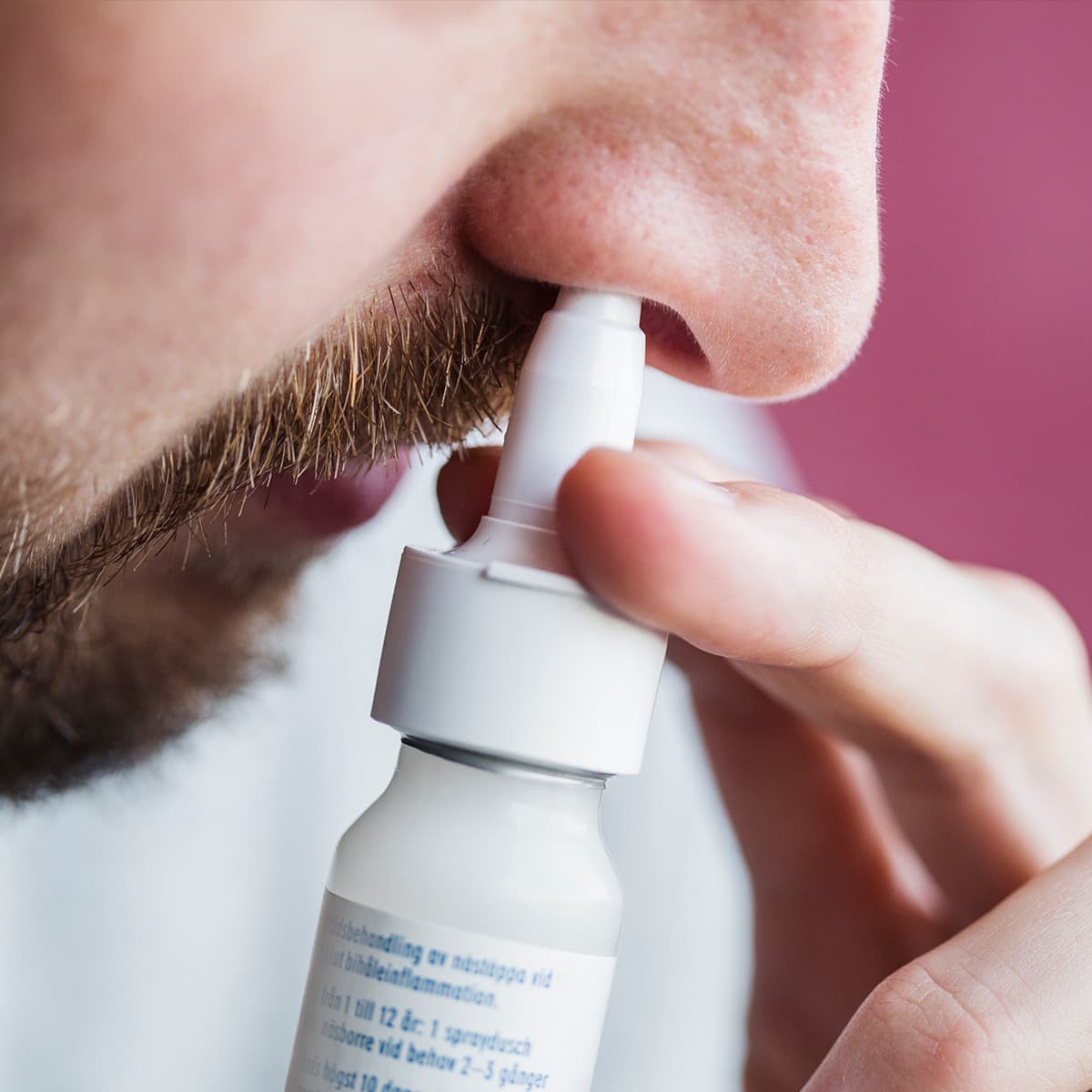
A new research will look at whether "vitamin A" may help those who have lost their sense of smell as a result of Covid-19.
The University of East Anglia (UEA) announced that after the 12-week' Apollo study,' would use nasal drops containing the vitamin to treat individuals who have suffered smell loss or an altered sense of smell as a consequence of viral infections.
According to the university, German research has demonstrated the vitamin's potential usefulness, and its team "will investigate how this therapy works to help heal tissues in the nose injured by viruses."
The researchers believe that the work will "one day might improve the lives of millions of people across the globe who suffer from scent loss by restoring their fifth sense."
[gallery link="none" columns="2" size="full" ids="4695,4694"]
Anosmia, the medical world for a person's partial or complete loss of smell, is one of the tell-tale symptoms of Covid, with individuals suffering the issue urged to be tested for the virus and self-isolate.
However, anosmia caused by Covid may be long-term, with almost 5% of Covid patients not regaining their sense of smell one year after infection.
Smell impairment (Anosmia) is also linked to dietary deficiencies. Zinc and B12 deficiencies, in particular, have been associated with smell impairments. Foods rich in these two nutrients include:
#Sense of Smell#Vitamin A#Covid Loss of Smell#Improve Aroma#Zinc#B12#Nasal Drops#Treatment for Loss of Smell